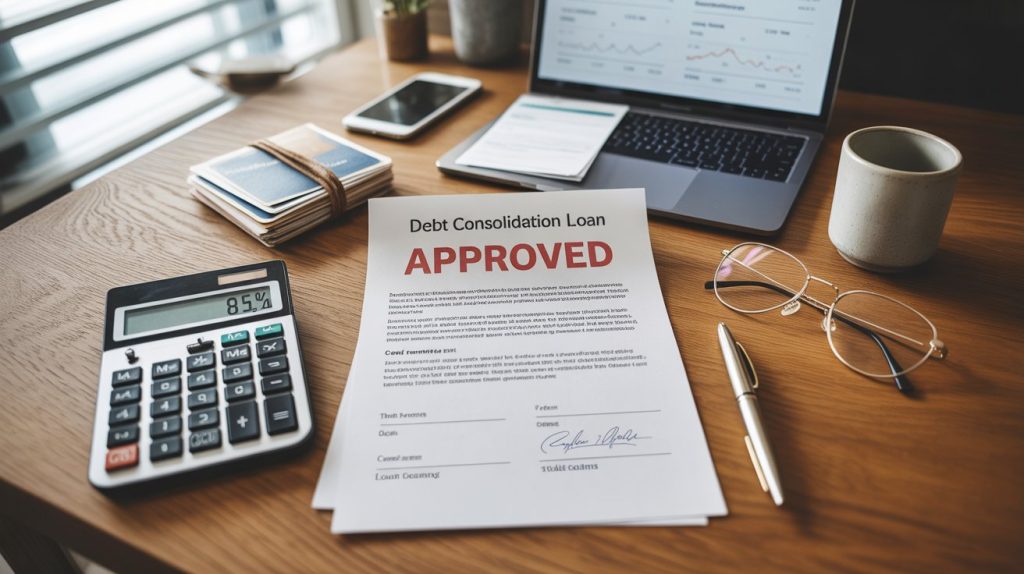
Karan was a skilled website developer building successful online portals. He had taken multiple high-interest personal loans for his projects. His web development business was growing steadily with increasing traffic. However heavy monthly EMIs were consuming his AdSense profits completely. Each month he juggled five different loan payments with varying dates. Interest charges alone exceeded $800 monthly on scattered debts. He researched the best debt consolidation loans 2026 available nationwide. He qualified for a single loan at 9.5% fixed interest. He paid off all his scattered high-interest debts immediately. Today he pays just one manageable monthly installment of $650. He saves over $150 monthly and sleeps peacefully at night. His financial stress disappeared completely after smart debt consolidation.
Debt consolidation transforms chaotic financial situations into manageable payment plans. Multiple debts create confusion with different due dates and rates. The best debt consolidation loans 2026 simplify everything into one payment. Interest savings can reach thousands of dollars annually with proper consolidation. Credit scores improve when multiple accounts show zero balances consistently.
Lenders evaluate creditworthiness before approving consolidation loans strictly. Credit scores above 670 receive the best interest rates available. Scores between 580 and 669 qualify for moderate rates. Even bad credit consolidation loans exist for scores below 580. However these carry higher interest rates reflecting increased risk.
Income verification remains essential for all consolidation loan applications. Lenders want proof of stable employment and consistent earnings. Debt-to-income ratios should stay below 43% for optimal approval. Lower ratios improve chances of securing low interest consolidation loans. Financial stability matters more than just credit scores alone.
Unsecured debt consolidation 2026 options require no collateral pledges. These loans rely purely on creditworthiness and income verification. Secured loans using home equity offer lower rates but risk. Choosing between secured and unsecured depends on comfort with collateral. Most borrowers prefer unsecured options for peace of mind.
SoFi leads the market for borrowers with excellent credit histories. This lender offers rates starting from 8.99% for qualified applicants. No origination fees reduce the total cost of borrowing significantly. Unemployment protection provides safety nets during job transitions unexpectedly. Members receive career coaching and financial planning services free.
SoFi approves loan amounts ranging from $5,000 to $100,000 easily. The repayment terms extend from two to seven years. Autopay enrollment reduces interest rates by 0.25% automatically. The application process completes entirely online within minutes. Funding arrives in bank accounts within two business days.
Credit score requirements at SoFi start at 680 minimum typically. Income requirements demand stable employment for at least two years. The company evaluates education and career trajectory beyond scores. This holistic approach benefits professionals with strong earning potential. However recent graduates with limited history may face challenges.
Upstart revolutionized lending through artificial intelligence and machine learning. This platform approves borrowers with credit scores starting at 600. The AI evaluates over 1,600 data points beyond traditional metrics. Education and job history influence approval decisions significantly here. This approach benefits young professionals building credit histories actively.
Interest rates at Upstart range from 8.27% to 35.99% currently. Loan amounts span from $1,000 to $50,000 for debt consolidation. Repayment terms extend from three to five years only. Origination fees range from 0% to 12% of loan amount. These fees get deducted from the disbursed loan proceeds.
Funding speed at Upstart reaches industry-leading timeframes consistently. Most borrowers receive funds within one business day after approval. This speed helps borrowers stop accumulating interest on existing debts. The entire process from application to funding takes 24-48 hours. Emergency debt consolidation becomes feasible through this rapid system.
Discover Personal Loans offers established reputation and competitive rates together. This lender provides loans from $2,500 to $40,000 for consolidation. Interest rates range from 7.99% to 24.99% depending on creditworthiness. No origination fees or prepayment penalties apply ever. The company serves borrowers with credit scores above 660 typically.
Same-day funding availability distinguishes Discover from many competitors significantly. Applications approved before 5 PM ET receive funds same day. This feature proves invaluable when timing matters for existing debt. Customer service receives consistently high ratings from industry reviewers. Phone support operates 24/7 for borrower questions and concerns.
Average personal loan interest rates in 2026 vary dramatically. Rates hover between 8% and 35% based on multiple factors. Credit scores exert the strongest influence on rate determinations. Excellent scores above 750 secure rates near 8% to 10%. Good scores between 670-749 receive rates around 11% to 15%.
Fair credit scores from 580-669 face rates between 16% and 24%. Poor credit below 580 encounters rates from 25% to 35%. These high rates sometimes exceed existing credit card rates unfortunately. Comparing total costs ensures consolidation actually saves money overall. Interest rate alone doesn’t determine true savings realized.
Loan terms significantly impact monthly payments and total interest paid. Shorter terms of two to three years minimize total interest. However monthly payments increase substantially with shorter repayment periods. Longer terms of five to seven years reduce monthly obligations. But total interest paid over time increases with extended terms.
Calculating break-even points helps determine optimal loan terms strategically. Monthly budget constraints must align with chosen payment schedules. Paying extra principal when possible accelerates debt elimination considerably. Most lenders allow additional payments without penalties or restrictions. This flexibility enables borrowers to save even more money.
Fixed interest rates provide payment predictability throughout loan terms. The rate and payment remain constant regardless of market changes. Variable rates start lower but can increase over time. Most consolidation loans feature fixed rates for borrower protection. This stability aids budgeting and long-term financial planning effectively.
Credit card debt carries the highest interest rates among common debts. Average credit card APRs reached 24.37% in early 2026 nationwide. Minimum payments barely cover interest charges each month. Principal balances decrease painfully slowly with minimum payments only. This cycle keeps borrowers trapped in debt for years.
Personal loans to pay off credit cards break this expensive cycle. A 12% personal loan saves 12% annually compared to cards. On $15,000 of credit card debt this saves $1,800 yearly. Over five years total savings approach $9,000 or more. These savings justify the effort of loan applications completely.
Balance transfer credit cards offer alternative consolidation methods temporarily. These cards provide 0% introductory APR for 12-18 months. However balance transfer fees reach 3% to 5% of transferred amounts. After promotional periods rates jump to 18% to 25% typically. Discipline to repay during promotional period remains essential absolutely.
Personal loans offer advantages over balance transfer cards frequently. Fixed rates prevent surprise increases after promotional periods end. Longer repayment terms reduce monthly payment pressure on budgets. No temptation exists to continue using old credit cards. The psychological benefit of loan consolidation proves significant for many.
Paying off credit cards immediately improves credit utilization ratios. This metric comprises 30% of credit score calculations significantly. Lower utilization boosts credit scores within 30-60 days typically. Improved scores enable better rates on future borrowing needs. This positive cycle accelerates overall financial health improvements steadily.
Unsecured debt consolidation 2026 requires no collateral from borrowers. These loans rely solely on creditworthiness and income verification. No risk of losing homes or vehicles exists with defaults. However interest rates exceed secured loan rates by 2-5% typically. This premium reflects the higher lender risk undertaken voluntarily.
Most debt consolidation loans function as unsecured personal loans. Banks and credit unions and online lenders offer these products. Approval depends on credit scores and debt-to-income ratios primarily. Income stability and employment history also influence decisions heavily. Lenders want confidence in repayment ability before approving applications.
Unsecured consolidation works best for moderate debt amounts under $50,000. Higher amounts often require collateral for approval by lenders. The application process mirrors standard personal loan procedures exactly. Documentation includes pay stubs and tax returns and bank statements. Identity verification and credit checks happen automatically during processing.
Secured loans using home equity offer lower rates but introduce risk. Home equity loans and HELOCs provide access to cheaper money. However homes serve as collateral and risk foreclosure with defaults. Most financial advisors recommend unsecured options when possible. The peace of mind justifies slightly higher interest costs.
Debt consolidation companies offer alternative consolidation services for fees. These companies negotiate with creditors for reduced balances and rates. However their fees can reach 15% to 25% of enrolled debt. Credit scores suffer initially from the negotiation process undertaken. Success rates vary widely across different consolidation companies unfortunately.
Securing low interest consolidation loans requires strategic preparation beforehand. Credit score improvement should precede applications by 3-6 months. Paying down existing balances reduces utilization ratios helping scores. Disputing credit report errors removes negative marks unjustly reported. Even small score increases unlock significantly better rates offered.
Shopping multiple lenders ensures the best possible rates available. Each lender evaluates applications differently using proprietary algorithms. Rate differences of 2% to 4% commonly exist between lenders. Online marketplaces compare multiple offers simultaneously saving time. Soft credit checks during comparison shopping don’t impact scores.
Credit unions typically offer rates 1% to 2% below banks. Membership requirements exist but remain easily satisfied usually. Community banks provide personalized service and competitive rates locally. Online lenders like SoFi and Upstart excel at technology-driven approvals. Each lender type offers distinct advantages worth considering carefully.
Timing applications strategically improves approval odds and rate offerings. Apply during periods of stable employment and income currently. Avoid applications immediately after job changes or relocations recently. Tax refund season provides extra income documentation helping applications. Spring and fall see increased lending activity and competition.
Co-signers with excellent credit improve rates for borderline applicants. Parents or spouses often co-sign for better terms offered. However co-signers assume full repayment responsibility if default occurs. This arrangement benefits both parties when handled responsibly together. Some lenders release co-signers after 12-24 months of payments.
Bad credit consolidation loans serve borrowers with scores below 580. These specialized products acknowledge past financial difficulties experienced previously. Interest rates range from 24% to 35% reflecting increased risk. Despite high rates consolidation still saves money versus alternatives. Payday loans and cash advances carry even higher costs.
Lenders specializing in bad credit include Avant and OneMain Financial. These companies evaluate applications holistically beyond just credit scores. Income stability and employment history weigh heavily in decisions. Collateral options improve approval chances and reduce rates offered. Many borrowers successfully consolidate despite significant credit challenges faced.
Understand your credit report at Experian
Secured personal loans using vehicles as collateral help bad credit. Title loan lenders provide funds against paid-off vehicle values. Rates drop to 12% to 20% with vehicle security pledged. However vehicle loss becomes possible if payments cease completely. This risk requires careful consideration before proceeding with applications.
Credit builder loans offer alternative paths for bad credit borrowers. These small loans rebuild credit while consolidating minor debts. Amounts rarely exceed $3,000 but help establish payment histories. Timely payments over 12-24 months improve scores by 50-100 points. This foundation enables better consolidation options in future years.
Peer-to-peer lending platforms like Prosper serve bad credit borrowers. Individual investors fund loans after reviewing borrower profiles submitted. Interest rates reflect perceived risk by investor communities engaged. Approval rates exceed traditional banks for similar credit profiles. The process takes 2-5 business days from application to funding.
Improving credit before consolidation saves thousands in interest long-term. Six months of on-time payments raises scores by 30-50 points. Paying down balances below 30% utilization boosts scores similarly. These improvements move borrowers from bad to fair credit categories. Fair credit unlocks significantly better rates than bad credit receives.
Application Process and Requirements
The consolidation loan application process begins with rate comparison shopping. Use online marketplaces to check rates without impacting credit scores. Narrow choices to three to five lenders offering best terms. Read reviews and verify lender legitimacy before submitting applications. Scams exist targeting desperate borrowers seeking consolidation help desperately.
Required documentation includes government-issued photo identification always. Pay stubs from the past two months prove current income. Bank statements show deposit patterns and account balances maintained. Tax returns from previous year verify income for self-employed applicants. Some lenders request additional documents during underwriting reviews conducted.
Employment verification happens through direct calls to employers listed. Lenders confirm job titles and start dates and current status. Self-employed borrowers provide business licenses and profit-loss statements instead. Income stability over two years satisfies most lender requirements imposed. Recent job changes may require explanation letters from applicants.
Credit checks occur during final application submission to lenders. Hard inquiries impact credit scores by 3-5 points temporarily. Multiple applications within 14-45 days count as single inquiry. This shopping window protects scores during comparison processes undertaken. Scores recover fully within 3-6 months after inquiries age.
Approval decisions typically arrive within 24-72 hours of application. Some lenders provide instant pre-approvals subject to verification later. Final approval requires document review and underwriting analysis completed. Automated systems handle straightforward applications within hours now. Complex situations involving multiple income sources take longer times.
Funding timelines vary from same-day to one week typically. Online lenders like Upstart and Discover fund within 24-48 hours. Traditional banks may require 5-7 business days for processing. Credit union timelines fall between these extremes at 3-5 days. Direct deposit to checking accounts represents the fastest funding method.
Maximizing Consolidation Benefits
Creating detailed debt elimination plans maximizes consolidation benefits achieved. List all existing debts with balances and interest rates. Calculate total monthly payments currently made across all accounts. Compare this against proposed consolidation loan payment amounts offered. Ensure consolidation actually reduces monthly obligations and total costs.
Close paid-off credit card accounts strategically after consolidation completes. Keep oldest accounts open to preserve credit history length. Close newest accounts to remove temptation of reusing credit. However closing accounts reduces total available credit negatively initially. Credit utilization may increase temporarily impacting scores by 10-20 points.
Automate consolidation loan payments to ensure perfect payment histories. Set up automatic withdrawals from checking accounts on payday. This prevents missed payments that damage credit severely unfortunately. Payment history comprises 35% of credit score calculations critically. Perfect payment records over 12-24 months raise scores substantially.
Use freed-up cash flow wisely to accelerate debt elimination. Consider paying extra principal monthly when budgets allow flexibility. Even $50 extra monthly shortens loan terms by months. This accelerated payoff saves hundreds in total interest costs. Financial discipline during consolidation determines ultimate success achieved completely.
Build emergency funds to prevent future debt accumulation patterns. Save $1,000 to $2,000 for unexpected expenses that arise. Emergency funds prevent using credit cards for car repairs. This breaks the debt cycle that necessitated consolidation originally. Financial resilience grows through systematic emergency savings building consistently.
Common Mistakes to Avoid
Taking out consolidation loans without addressing spending habits fails long-term. Debt consolidation treats symptoms but not underlying causes always. Overspending and budget deficits create debt regardless of consolidation. Successful consolidation requires genuine lifestyle and spending changes implemented. Without behavior modification debt returns within 18-36 months typically.
Continuing to use credit cards after consolidation proves disastrous financially. Consolidation pays off cards but doesn’t close accounts automatically. The temptation to spend on zero-balance cards overwhelms many borrowers. This creates new debt on top of consolidation loans. Total debt doubles instead of being eliminated as planned initially.
Ignoring fees and closing costs reduces net savings significantly. Origination fees can reach 1% to 8% of loan amounts. A 6% origination fee on $20,000 equals $1,200 in costs. These fees get deducted from loan proceeds reducing available funds. Calculate total costs including fees before accepting loan offers.
Choosing the longest repayment terms minimizes monthly payments temptingly. However extended terms multiply total interest paid over time. A seven-year loan at 12% costs thousands more than three-year. Monthly savings get consumed by excessive interest charges incurred. Balance monthly affordability against long-term cost implications carefully.
Failing to shop multiple lenders leaves money on table unnecessarily. Rate variations of 3% to 5% exist between lenders commonly. On a $25,000 loan this equals $15,000 to $25,000 over time. Spending two hours comparing lenders saves thousands of dollars. Laziness or impatience during shopping proves extremely expensive long-term.
Frequently Asked Questions (FAQs)
1. What are the best debt consolidation loans 2026 for good credit?
The best debt consolidation loans 2026 for good credit include SoFi. This lender offers rates starting from 8.99% for qualified applicants. Credit scores above 680 receive the most competitive terms. No origination fees reduce total borrowing costs significantly.
LightStream provides excellent rates for good credit borrowers too. Interest rates start at 7.49% for debt consolidation purposes. This lender requires credit scores above 660 typically. Loan amounts range from $5,000 to $100,000 available.
Marcus by Goldman Sachs serves good credit borrowers effectively. Rates begin at 8.99% with no fees whatsoever. The application process completes entirely online within minutes. Funding arrives within 1-4 business days after approval.
The best debt consolidation loans 2026 reward good credit substantially. Interest rate differences between good and fair credit reach 5-8%. On $20,000 this saves $2,000 to $4,000 over loan terms. Maintaining good credit proves financially valuable long-term always.
Comparing multiple lenders ensures optimal rates despite good credit. Even borrowers with scores above 720 see rate variations. Each lender evaluates risk differently using proprietary models. Shopping saves hundreds even for well-qualified applicants consistently.
2. How much can I save with the best debt consolidation loans 2026?
Savings from the best debt consolidation loans 2026 vary dramatically. The amount depends on existing interest rates and balances. Credit card debt at 24% consolidated to 11% saves 13%. On $15,000 of debt this equals $1,950 annually saved.
Over a five-year loan term total savings reach $9,750. This calculation assumes consistent balances without additional charges added. The earlier consolidation happens the greater total savings achieved. Interest accumulates exponentially making timing crucial for maximization.
Larger debt amounts magnify savings through consolidation substantially obviously. Consolidating $30,000 saves $3,900 annually at same rates. Over five years this totals $19,500 in interest avoided. These savings can fund emergency funds or retirement accounts.
The best debt consolidation loans 2026 also reduce monthly payments. Lower interest rates mean more principal reduction per payment. This accelerates debt elimination compared to minimum credit payments. Freedom from debt arrives months or years earlier potentially.
Non-financial benefits include reduced stress and simplified finances. Managing one payment instead of five reduces mental burden. Credit score improvements from consolidation enable future borrowing savings. The total value exceeds pure interest calculations performed initially.
3. What credit score do I need for the best debt consolidation loans 2026?
The best debt consolidation loans 2026 require different score minimums. Premium rates at SoFi and Marcus require 680+ scores. These top-tier loans offer rates between 8% and 12%. Excellent credit above 750 secures the absolute best terms.
Moderate rates become available with scores from 640 to 679. Lenders like Discover and LendingClub serve this range well. Interest rates range from 12% to 18% for good credit. Total costs remain reasonable compared to credit cards still.
Fair credit scores from 580 to 639 face higher rates. The best debt consolidation loans 2026 for this range start at 18%. Upstart specializes in fair credit applicants using AI evaluation. Rates can reach 24% to 28% for fair credit borrowers.
Bad credit below 580 receives the highest rates available. Consolidation remains possible but costs approach credit card rates. Rates from 25% to 35% apply to very poor credit. Secured loans using collateral improve terms for bad credit.
Improving credit scores before applying saves thousands in interest. Even raising scores by 20-30 points unlocks better tiers. Six months of preparation reduces lifetime borrowing costs substantially. The investment of time pays enormous dividends through savings.
4. Are personal loans to pay off credit cards a good idea?
Yes. Personal loans to pay off credit cards prove excellent strategies. Credit cards charge 18% to 29% interest rates typically. Personal loans offer 8% to 16% for qualified borrowers. This 10-13% difference saves thousands over repayment periods.
The best debt consolidation loans 2026 simplify monthly finances substantially. One payment replaces five or six different credit accounts. Due dates consolidate preventing missed payment penalties and fees. Payment automation becomes much easier with single accounts.
Fixed interest rates on personal loans provide budgeting certainty. Credit cards feature variable rates that increase unexpectedly sometimes. Personal loan payments remain constant throughout entire loan terms. This predictability helps long-term financial planning and budgeting efforts.
However personal loans require discipline to succeed long-term. Borrowers must avoid reusing paid-off credit cards immediately. Creating new debt while repaying consolidation loans proves disastrous. Success requires genuine spending behavior changes implemented permanently.
Personal loans to pay off credit cards improve credit scores. Credit utilization drops dramatically when card balances reach zero. Scores increase by 30-80 points within 60-90 days. This improvement enables better rates on future borrowing needs.
5. What is unsecured debt consolidation 2026 and how does it work?
Unsecured debt consolidation 2026 requires no collateral from borrowers. These loans rely on creditworthiness and income alone. No homes or vehicles secure the debt undertaken. Default results in credit damage but not asset seizure.
The best debt consolidation loans 2026 function as unsecured products. Lenders evaluate credit scores and debt-to-income ratios primarily. Approval depends on ability and willingness to repay demonstrated. Interest rates reflect the risk lenders assume without collateral.
Application processes mirror standard personal loans exactly in procedure. Submit income documentation and identity verification and employment proof. Credit checks occur and underwriting analyzes repayment capacity thoroughly. Approval typically happens within 24-72 hours of submission.
Unsecured consolidation works well for debt under $50,000 typically. Higher amounts often require secured loans or home equity. The best debt consolidation loans 2026 offer $1,000 to $100,000 ranges. Most borrowers consolidate $10,000 to $30,000 through these products.
Interest rates on unsecured loans exceed secured options by 2-5%. This premium compensates lenders for increased default risk assumed. However the peace of mind from not risking homes justifies costs. Most borrowers prefer unsecured options when qualifying for them.
6. How do I find low interest consolidation loans with bad credit?
Finding low interest consolidation loans with bad credit requires strategy. First improve credit scores through 3-6 months of preparation. Pay down existing balances below 30% utilization rates consistently. Dispute credit report errors that unfairly lower scores.
Consider secured personal loans using vehicle or savings collateral. Collateral reduces lender risk enabling lower rates offered. The best debt consolidation loans 2026 for bad credit include OneMain. They offer secured options with rates from 18% to 24%.
Credit unions serve members with lower rates than banks. Membership requirements exist but remain easily satisfied usually. Credit unions evaluate applications holistically beyond just credit scores. Community involvement and account history influence approval decisions positively.
Co-signers with good credit dramatically improve terms for borrowers. Parents or spouses often co-sign enabling better rates offered. However co-signers become fully responsible if default occurs. This arrangement benefits both parties when handled responsibly together.
The best debt consolidation loans 2026 for bad credit involve peer-to-peer. Prosper and Upstart use alternative data beyond credit scores. Education and employment history influence rates offered substantially. Approval rates exceed traditional banks for similar profiles shown.
Improving credit for six months before applying saves thousands. Even raising scores from 540 to 600 unlocks better tiers. This temporary delay reduces lifetime interest costs by 30-40%. Patience during preparation pays enormous long-term dividends through savings.
7. What documents do I need for the best debt consolidation loans 2026?
The best debt consolidation loans 2026 require standard loan documents. Government-issued photo identification proves identity to lenders always. Driver’s licenses or passports satisfy this requirement universally accepted. Recent pay stubs from past two months verify current income.
Bank statements from previous two to three months show deposits. Lenders verify income consistency and account balances maintained currently. Tax returns from the previous year confirm income for employed. Self-employed applicants provide two years of tax returns instead.
Employment verification happens through direct employer contact made automatically. Lenders confirm job titles and start dates and current status. Self-employed borrowers provide business licenses and profit-loss statements additionally. Income stability over two years satisfies most requirements imposed.
Some lenders request additional documentation during underwriting reviews conducted. Explanation letters for recent job changes may be required. Proof of rent or mortgage payments demonstrates housing stability. The best debt consolidation loans 2026 processes vary by lender slightly.
Organize documents before starting applications to expedite processing times. Digital copies allow instant upload during online applications submitted. Complete applications receive faster approval decisions from lenders. Missing documents delay underwriting by 3-5 business days typically.
8. How long does approval take for the best debt consolidation loans 2026?
Approval times for the best debt consolidation loans 2026 vary widely. Online lenders like Upstart provide instant pre-approvals within minutes. Full approval after document review takes 24-48 hours typically. These lenders prioritize speed through automated underwriting systems employed.
Traditional banks require 3-7 business days for full approvals. Manual underwriting reviews slow the process considerably compared to online. However banks may offer slightly better rates for existing customers. Credit unions fall between banks and online lenders at 3-5 days.
The best debt consolidation loans 2026 from SoFi take 2-4 days. This timeline includes document review and final approval steps. Marcus by Goldman Sachs completes approvals within 1-3 business days. Discover Personal Loans matches this timeline with similar efficiency.
Funding timelines add another 1-5 days after approval occurs. Online lenders fund within 24-48 hours after final approval. Traditional banks may take 5-7 business days for fund transfers. The best debt consolidation loans 2026 prioritize fast funding for borrowers.
Complex applications involving multiple income sources take longer times. Self-employed borrowers face extended reviews of 5-7 days typically. Providing complete documentation upfront accelerates all approval timelines substantially. Incomplete applications can delay decisions by weeks sometimes unfortunately.
9. Can I get the best debt consolidation loans 2026 with a co-signer?
Yes. The best debt consolidation loans 2026 allow co-signers for applicants. Co-signers with excellent credit improve approval odds significantly for borrowers. Interest rates decrease by 2% to 5% with strong co-signers. This translates to thousands in savings over loan terms.
Parents often co-sign for adult children building credit histories. Spouses co-sign when one partner has superior credit scores. Close friends or family members can serve as co-signers. However co-signers assume full repayment responsibility if default occurs.
SoFi and Marcus by Goldman Sachs accept co-signers readily. Application processes include co-signer information and documentation requirements. Co-signers provide same documentation as primary borrowers must submit. Credit checks occur for both applicants during underwriting reviews.
The best debt consolidation loans 2026 with co-signers require trust. Primary borrowers must make payments reliably to protect relationships. Missed payments damage both credit scores severely and permanently. Communication between co-signers and borrowers prevents misunderstandings from arising.
Some lenders release co-signers after 12-24 months of payments. This release happens automatically with perfect payment histories maintained. Check release policies before selecting lenders for applications submitted. Co-signer release provides eventual independence for primary borrowers successfully.
10. What happens if I cannot pay my debt consolidation loan?
Missing payments on the best debt consolidation loans 2026 creates consequences. Late fees of $25 to $40 apply immediately after missed deadlines. Credit scores drop by 60-110 points after 30 days late. Payment history comprises 35% of credit calculations critically impacting scores.
Lenders report delinquencies to credit bureaus after 30 days late. This negative mark remains on credit reports for seven years. Future loan approvals become difficult with recent delinquency marks. Interest rates increase dramatically on future borrowing needs attempted.
Continued non-payment leads to charge-off after 120-180 days typically. Lenders write off the debt as loss and sell to collectors. Collection agencies pursue payment through calls and letters and lawsuits. Credit scores plummet to 450-550 range with charge-offs reported.
Legal action becomes possible with unsecured debt consolidation loans defaulted. Lenders can sue for judgments allowing wage garnishment potentially. Bank account levies can occur after court judgments obtained. However these actions take 12-24 months after initial default usually.
Contact lenders immediately if payment difficulties arise before missing deadlines. Many offer hardship programs reducing payments temporarily during difficulties. Forbearance options pause payments for 1-3 months sometimes offered. Communication prevents worst outcomes and preserves credit better always.
The best debt consolidation loans 2026 require responsible management always. Default destroys credit for years and creates financial hardships. Budgeting properly before applying prevents payment difficulties from arising. Financial discipline determines ultimate success or failure with consolidation.
Conclusion
The best debt consolidation loans 2026 transform financial stress into manageable plans. Multiple high-interest debts become single fixed monthly payments easily. Interest savings reach thousands of dollars annually with proper consolidation. Credit scores improve dramatically when managed responsibly and consistently.
Personal loans to pay off credit cards deliver exceptional value. Credit card rates of 24% consolidated to 11% save tremendously. This 13% difference compounds over years into massive savings. Financial freedom arrives faster through strategic debt consolidation implemented properly.
Unsecured debt consolidation 2026 options require no collateral pledges. These loans rely on creditworthiness and income verification alone. No risk of losing homes or vehicles exists with defaults. Peace of mind justifies slightly higher interest rates charged.
Low interest consolidation loans reward good credit substantially and consistently. Rates starting at 8% to 10% benefit qualified borrowers. Even bad credit consolidation loans save money versus alternatives. Payday loans and cash advances carry even higher costs.
Lenders like SoFi and Upstart and Discover lead the market. Each offers unique advantages for different borrower profiles served. Shopping multiple lenders ensures optimal rates and terms available. Two hours of research saves thousands in lifetime interest.
Success requires addressing spending behaviors that created debt originally. Consolidation treats symptoms but not underlying causes of overspending. Budget discipline and lifestyle changes ensure permanent debt elimination. Without behavior modification debt returns within years typically.
The application process completes quickly through online lenders primarily. Approvals happen within 24-72 hours of submission usually. Funding arrives in 1-4 business days after final approval. This speed enables immediate payoff of expensive existing debts.
Start your debt consolidation journey today through careful research. Compare rates and terms across multiple reputable lenders. Organize required documents before beginning applications submitted online. Take control of finances through strategic consolidation planning implemented.